


When selecting a material for exterior signage, architectural features, memorials, outdoor furniture or other long-term installations, natural wood is often the traditional choice. However, modern engineered materials such as Tricoya® offer significant advantages in performance, durability and longevity.
Built to Withstand the Elements
One of the biggest challenges with natural wood is its tendency to absorb moisture. As weather conditions change, wood naturally expands and contracts, which can lead to warping, swelling, cracking and eventual deterioration.
Tricoya® is manufactured using an advanced acetylation process that dramatically reduces water absorption. The result is a highly stable panel that maintains its shape and performance even in wet, humid and challenging outdoor environments.
Exceptional Durability
Natural wood is susceptible to fungal decay, rot and biological attack over time. While treatments can improve durability, they often require ongoing maintenance and may only protect the surface.
Tricoya® is modified throughout the entire material, creating a panel that offers outstanding resistance to decay and fungal attack. Independent testing has classified Tricoya® as Durability Class 1 – comparable to teak and more durable than many traditional hardwoods.
Reduced Maintenance Requirements
Exterior wood installations typically require regular repainting, staining and repair to maintain their appearance and structural integrity.
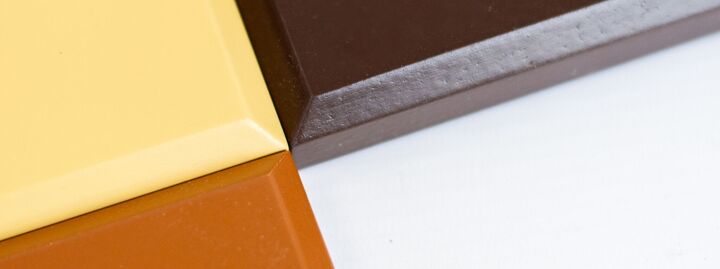
Thanks to its dimensional stability, Tricoya® extends coating life and reduces maintenance cycles. Paint finishes remain intact for longer because the material underneath experiences minimal movement, helping projects retain their appearance for years.
Designed for Long-Term Performance
Testing has shown that Tricoya® remains stable through repeated freeze-thaw and wet-dry cycles without cracking, delaminating or losing structural integrity. This makes it particularly suitable for demanding exterior applications where natural wood may struggle over time.
Sustainable and Environmentally Responsible
Tricoya® is produced from FSC® certified wood sources and uses a non-toxic modification process. Unlike some preservative treatments, the acetylation process does not introduce harmful chemicals into the material, making it an environmentally responsible choice for modern projects.
Easy to Work With
In addition to its enhanced performance, Tricoya® retains many of the benefits that make wood-based materials popular. It can be cut, machined, sanded, painted, engraved and fixed using conventional woodworking techniques, providing designers and manufacturers with maximum flexibility.
Ideal Applications for Tricoya®
Tricoya® is particularly well suited to:
• Exterior signage and wayfinding
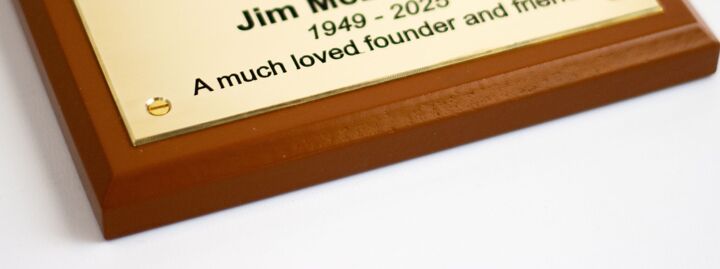
• Memorial and commemorative plaques
• Architectural cladding and decorative panels
• Garden furniture and outdoor structures
• Gates, fencing and planters
• Wet interiors such as changing rooms and washrooms
The Smarter Alternative to Natural Wood
While natural wood offers traditional appeal, Tricoya® delivers superior durability, stability and longevity with significantly reduced maintenance requirements. For projects where long-term performance is essential, Tricoya® provides the appearance and workability of wood with the reliability needed for modern outdoor applications.
For customers seeking a material that will remain attractive, stable and durable for decades, Tricoya® is an excellent alternative to natural timber.